
For fashion brands sourcing from Vietnam, full package manufacturing offers a way to outsource nearly the entire production process to a single factory partner. Rather than juggling separate suppliers for fabric, trims, sampling and cutting, a brand can hand over a design brief and receive a finished garment ready for retail. This model is particularly attractive to newer labels and growing online shops that want to focus on branding and sales rather than production logistics. Before signing on with any factory, though, it helps to know precisely which services fall under the full package umbrella, since the exact scope can differ from one manufacturer to the next and directly affects both pricing and timeline for the whole project.
This article walks through what a typical full package process looks like when working with a clothing manufacturer in Vietnam, from the first design conversation through to export-ready packaging. It also highlights the questions brands should ask early on, and the preparation that tends to make the process smoother on both sides, particularly around sampling rounds, communication expectations and realistic production timelines.
Because so many steps are bundled together under full package production, brands sometimes find it easier to manage expectations by treating the process as a series of checkpoints rather than a single long production run, reviewing progress and approving each stage before the next one begins.
What Is Full Package Clothing Manufacturing?
When a factory offers full package production, it means they take on responsibility for most of the manufacturing chain rather than just sewing. That usually covers material sourcing, sample development, grading across sizes, bulk cutting and sewing, quality inspection, and often basic packing. For the brand, this means less time spent coordinating multiple suppliers and more time spent reviewing samples and giving feedback on fit, fabric and finishing, which can be a major advantage for teams without a dedicated production or sourcing department.
This model is sometimes confused with private label or OEM manufacturing, but the key distinction is the breadth of services included. A true full package partner does not just sew garments to a customer’s cut fabric; it actively manages sourcing decisions, technical development and quality assurance as part of the agreed scope, which is reflected in both the pricing structure and the contract terms.
Why Brands Choose Full Package Production in Vietnam
One reason international brands turn to Vietnam for full package manufacturing is the maturity of its garment industry. Decades of export experience have built a strong network of fabric mills, trim suppliers and skilled machine operators, which makes it easier for factories to manage sourcing internally. Combined with generally competitive labor costs, this makes Vietnam an attractive base for brands that want a single point of contact for production, rather than juggling separate relationships across different countries.
Beyond cost and capability, many buyers also value the logistics advantages of sourcing from Vietnam, including relatively short shipping times to major markets in Asia, reasonable freight options to the US and Europe, and a growing number of free trade agreements that can affect import duties depending on the destination country.
Step 1 — Design Consultation and Tech Pack Development
Full package production typically starts with a discussion about the design itself — this might be a sketch, a mood board, or a sample garment the brand wants replicated or adapted. Factories experienced in full package work will often assist in building out a tech pack from these materials, documenting measurements, seam types, stitching details and material specifications so that sampling can begin accurately. Clear documentation at this point tends to reduce the number of correction rounds needed later.
During this stage, it is also common to discuss realistic minimum order quantities and estimated costs, even before sampling begins, so that both sides can confirm the project makes sense before investing further time. Being upfront about budget constraints at this point can save considerable back-and-forth later.
Step 2 — Fabric and Trim Sourcing
With the design locked in, sourcing begins for fabric, buttons, zippers, labels and any other trims needed for the garment. A factory handling full package production will usually present a few fabric options that match the brand’s budget and quality expectations, along with lead time estimates, since fabric availability can vary depending on composition and season, especially for specialty or performance materials.
Some brands prefer to visit or request additional swatches from more than one supplier before finalizing fabric choices, and a transparent full package factory should be willing to accommodate reasonable requests like this, since it ultimately protects the quality of the finished product.
Step 3 — Sampling and Fit Approval
Sampling is one of the most important stages, since it is the brand’s chance to confirm fit, fabric and finishing before committing to bulk production. Most factories will produce a proto sample first, followed by a fit sample and sometimes a pre-production sample, with the brand reviewing and requesting adjustments at each round. Skipping or rushing this stage is one of the more common reasons bulk orders end up needing costly rework.
Brands should also budget both time and a small amount of cost for sampling, since most factories charge a sampling fee separate from the bulk order price, and rushing through this stage to save money often ends up costing more if bulk production needs rework.
Step 4 — Grading and Pattern Making
After the base pattern is finalized, it needs to be graded up and down to cover every size in the brand’s range. This technical step ensures that a size small and a size large maintain the same proportions and design details, which is something brands should specifically ask about if they have a wide or non-standard size range, or if they plan to expand their size offering later on.
Brands with a well-established size range from a previous supplier can often share their existing graded specs, which may save time compared to building a size run from scratch, though the factory will still need to confirm these translate correctly to their own patterns and machinery.
Step 5 — Bulk Production and Quality Control
With patterns graded and materials in hand, the factory moves into bulk cutting, sewing and finishing. Reputable full package manufacturers run quality checks at multiple points — during cutting, mid-production and before packing — rather than relying on a single inspection at the very end, which helps catch issues earlier when they are cheaper to fix and less likely to affect the full order quantity.
Production timelines can shift due to factors like fabric delivery delays or machine availability, so maintaining regular check-ins during bulk production — even brief updates — helps a brand stay ahead of potential delays rather than being surprised close to the shipping date.
Step 6 — Packaging, Labeling and Export Preparation
Packaging requirements vary by brand, but this stage usually includes attaching hang tags and care labels, folding or hanging garments, and packing them into export cartons. A factory experienced in full package production will also help prepare the shipping documents required by customs, reducing the administrative burden on the brand’s side and lowering the risk of delays once the shipment reaches its destination port.
For brands planning to sell on marketplaces with specific packaging requirements, it is worth sharing these guidelines with the factory well before the packing stage, since retrofitting packaging at the last minute can add cost and delay the shipment.
Full Package vs. CMT — Key Differences
The main difference between full package and CMT production is who sources the materials. Under CMT, the brand provides fabric and trims and pays the factory only for cutting, sewing and trimming labor. Under full package, the factory handles sourcing as well, which simplifies logistics for the brand but usually means less direct control over exactly which fabric supplier is used, so it helps to ask for swatch options and, where possible, specific mill information.
Ultimately, the right choice depends on the brand’s internal resources, how much time the team can dedicate to sourcing, and how much the brand values having a single point of contact managing the full production chain.
 What to Prepare Before Contacting a Full Package Factory
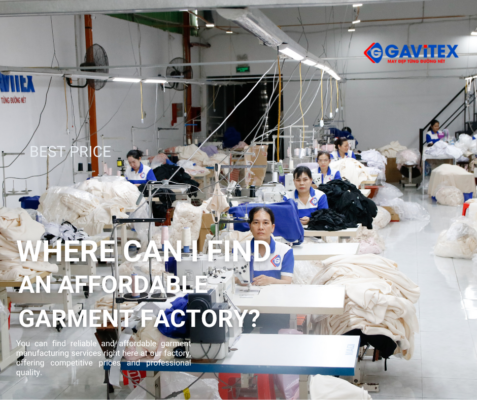 What to Prepare Before Contacting a Full Package Factory
To avoid back-and-forth delays and mismatched expectations, brands should try to prepare the following before requesting a quote from a full package manufacturer:
- A reference sample or clear sketch of the design, ideally with notes on key details
- Target fabric type, including composition and weight if already decided
- A size chart or size range you plan to offer, in the format you currently use
- Estimated quantities needed per style and colorway for the initial run
- Any trims, labels or packaging requirements, including branding elements
- An idea of your target price point or budget per unit, so options can be tailored accordingly
- Your expected delivery timeline, including any hard deadlines for launches or events
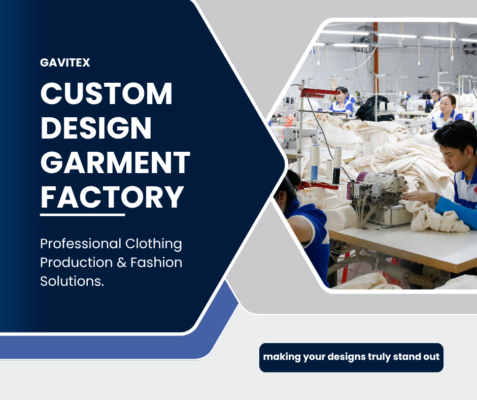 For many growing brands, full package production in Vietnam offers a workable balance between convenience and quality, as long as expectations are set clearly from the start. Knowing what each stage involves — sourcing, sampling, grading, bulk production and export preparation — helps brands evaluate potential factory partners more confidently and avoid common pitfalls. A little preparation before the first conversation, including a clear design reference and basic specifications, tends to make the entire process faster and less stressful for everyone involved, from the first sample to the final shipment.
Whichever route a brand chooses, spending time upfront to compare a few different factories, ask for references, and review previous work samples tends to make the eventual production experience far smoother than jumping straight into a large order with an untested partner and unclear expectations on both sides.
A full package clothing manufacturer Vietnam can support brands from fabric sourcing, sampling and size grading to bulk production, quality control and export preparation.
Order now / Get a quote: +84 972 107 109
